
Who are we?
CASS is a non-profit volunteer-run support group that was formed in 2005 with the aim of providing support for families as well as increasing public awareness of Asperger Syndrome / High Functioning Autism.
CASS is coordinated by a volunteer committee of parents who all have children on the Autism Spectrum.
CASS offers members a range of events, including support group meetings, activity groups for children of all ages and their siblings, regular workshops and information sessions, as well as access to a resource library of books and DVDs.
Our activity groups include Ten-Pin Bowling and Social groups for Primary, Tweens/Teenagers.
CASS also provides online support through our Facebook Page and sharing of information via email.
CASS aims to provide a relaxed and understanding environment for members to explore and understand the Autism Spectrum.
Anyone, whether a parent, teacher, service provider, professional, or just an interested person, can gain valuable knowledge and understanding from our group.
Please take the time to explore what CASS can offer you by navigating through our site.
If you have any questions, please don’t hesitate to contact us.

So what is autism spectrum disorder?
Autism spectrum disorder (ASD), which includes Asperger Syndrome (AS) and High Functioning Autism (HFA), is characterized by significant difficulties in social interaction, alongside restricted and repetitive patterns of behavior and interests.
Asperger Syndrome is named after the Austrian pediatrician Hans Asperger who, in 1944, studied and described children in his practice who lacked nonverbal communication skills, demonstrated limited empathy with their peers, and were physically clumsy. The modern conception of Asperger syndrome came into existence in 1981 and went through a period of popularization, becoming standardized as a diagnosis in the early 1990s. In 2014, the Diagnostic and Statistical Manual of Mental Disorders, Fifth Edition removed Asperger Syndrome as a separate diagnosis, with those formerly diagnosed now categorised as High Functioning Autism.
The exact cause is unknown. Although research suggests the likelihood of a genetic basis, there is no known genetic etiology and brain imaging techniques have not identified a clear common pathology. There is no single treatment, and the effectiveness of particular interventions is supported by only limited data. Intervention is aimed at improving symptoms and function. The mainstay of management is behavioral therapy, focusing on specific deficits to address poor communication skills, obsessive or repetitive routines, and physical clumsiness. Most children improve as they mature to adulthood, but social and communication difficulties may persist. Some researchers and people with High Functioning Autism/Aspergers have advocated a shift in attitudes toward the view that it is a difference, rather than a disability that must be treated or cured.
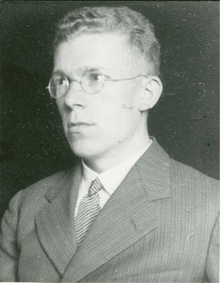
Hans Asperger
Image Source: Wikipedia
More Information:
What us Autism Disorder?
Amaze (Autism Victoria)
What is
Autism?
Autism Spectrum Australia
Autism Spectrum Disorder
Better Health Channel (Victorian Government)
What is Asperger’s Syndrome?
Tony Atwood